
Your personal brand is what people say about you when you’re not in the room. In 2026, it’s also what the algorithm says about you when you’re not logged in.
Whether you’re actively job searching, positioning yourself for a promotion, or building a consulting practice, personal branding has shifted from a nice-to-have to a career-critical asset. The difference between being considered for an opportunity and never knowing it existed often comes down to whether the right people — and the right systems — associate your name with the right expertise.
What Is Personal Branding, Really?
Personal branding isn’t about self-promotion or curating a feed of polished posts. It’s the intentional practice of shaping how you’re perceived professionally — the intersection of your skills, values, reputation, and visibility. A strong personal brand means that when a relevant opportunity arises, your name comes up. When someone searches for expertise in your area, you appear. When a recruiter asks for recommendations, you’re mentioned.
According to a 2025 LinkedIn study, professionals with a strong personal brand receive 5x more career opportunities than those without one. They’re also 10x more likely to be contacted by recruiters — not because they’re more qualified, but because they’re more visible.
Why Personal Branding Matters More in 2026
The hiring landscape has shifted dramatically. AI tools now auto-source candidates based on digital footprints. LinkedIn’s algorithm surfaces profiles based on activity, keyword density, and engagement signals — not just job titles. When 75% of recruiters use AI tools (per Gartner), your digital presence isn’t just what people read — it’s what machines parse, rank, and recommend.
Here’s what a strong personal brand does for you:
Many executive and senior-level roles are never publicly listed. They’re filled through networks, referrals, and recruiter outreach — all of which are driven by reputation and visibility.
When every candidate’s resume looks the same (because they all used the same AI tools), your personal brand — your real, demonstrated expertise — becomes the differentiator.
People hire people they trust. A consistent body of work, public insights, and professional presence builds trust before the first conversation.
Layoffs, restructuring, and industry shifts happen. A personal brand is portable — it moves with you, not your employer.
The 5 Pillars of a Strong Personal Brand

1. Clarity: Know What You Stand For
Before you can communicate your brand, you need to define it. Ask yourself:
- What do I want to be known for in 12 months?
- What problems do I solve better than most people?
- What values guide my professional decisions?
- What makes my perspective different from others in my field?
This isn’t about finding a niche — it’s about finding your angle. A CFO who specializes in scaling SaaS companies through Series B-D is more memorable than a CFO who “has 15 years of finance experience.” The more specific you can be about your value, the more recognizable your brand becomes.
2. Visibility: Show Up Where It Counts
Your brand only works if people can see it. In 2026, that means being strategic about where you show up:
- LinkedIn: Still the #1 professional platform. But just having a profile isn’t enough — activity matters. LinkedIn’s algorithm rewards consistent posting, meaningful comments, and profile completeness. Aim for 2-3 substantive posts per week, not daily noise.
- Industry communities: Whether it’s a Slack group, a professional association, or a niche forum, showing up consistently in the right communities builds recognition faster than broad broadcasting.
- Speaking and writing: Conference talks, podcast appearances, and articles on industry publications establish authority. You don’t need to be a keynote speaker — local meetups, webinars, and guest posts all count.
- Your own platform: A personal website or newsletter gives you ownership. Social platforms can change their algorithms overnight; your email list and website are yours.
3. Consistency: Build Recognition Over Time
A brand isn’t built in a month. It’s built through consistent presence over months and years. The professionals with the strongest brands aren’t the ones who went viral once — they’re the ones who showed up consistently with valuable insights long enough that people started to rely on them.
Consistency means:
- Maintaining a clear message across platforms — your LinkedIn, resume, portfolio, and conversations should tell the same story
- Posting or engaging regularly — not in bursts of activity followed by months of silence
- Keeping your visual identity coherent — professional headshot, consistent color choices, unified presentation
- Aligning your brand with your actual work — don’t brand yourself as an AI expert if you’ve never shipped an AI project. The gap between claim and evidence destroys trust.
4. Authenticity: Be Real, Not Manufactured
In an era where AI can generate polished content in seconds, authenticity has become a competitive advantage. People can sense when a post was generated, when a comment is performative, and when someone’s online persona doesn’t match their offline presence.
Authenticity doesn’t mean oversharing or being unprofessional. It means:
- Sharing real insights from real experience — not recycled thought leadership
- Admitting what you don’t know — expertise includes knowing the boundaries of your knowledge
- Having opinions — and being willing to back them up with reasoning
- Letting your personality show — the best personal brands sound like the person, not a press release
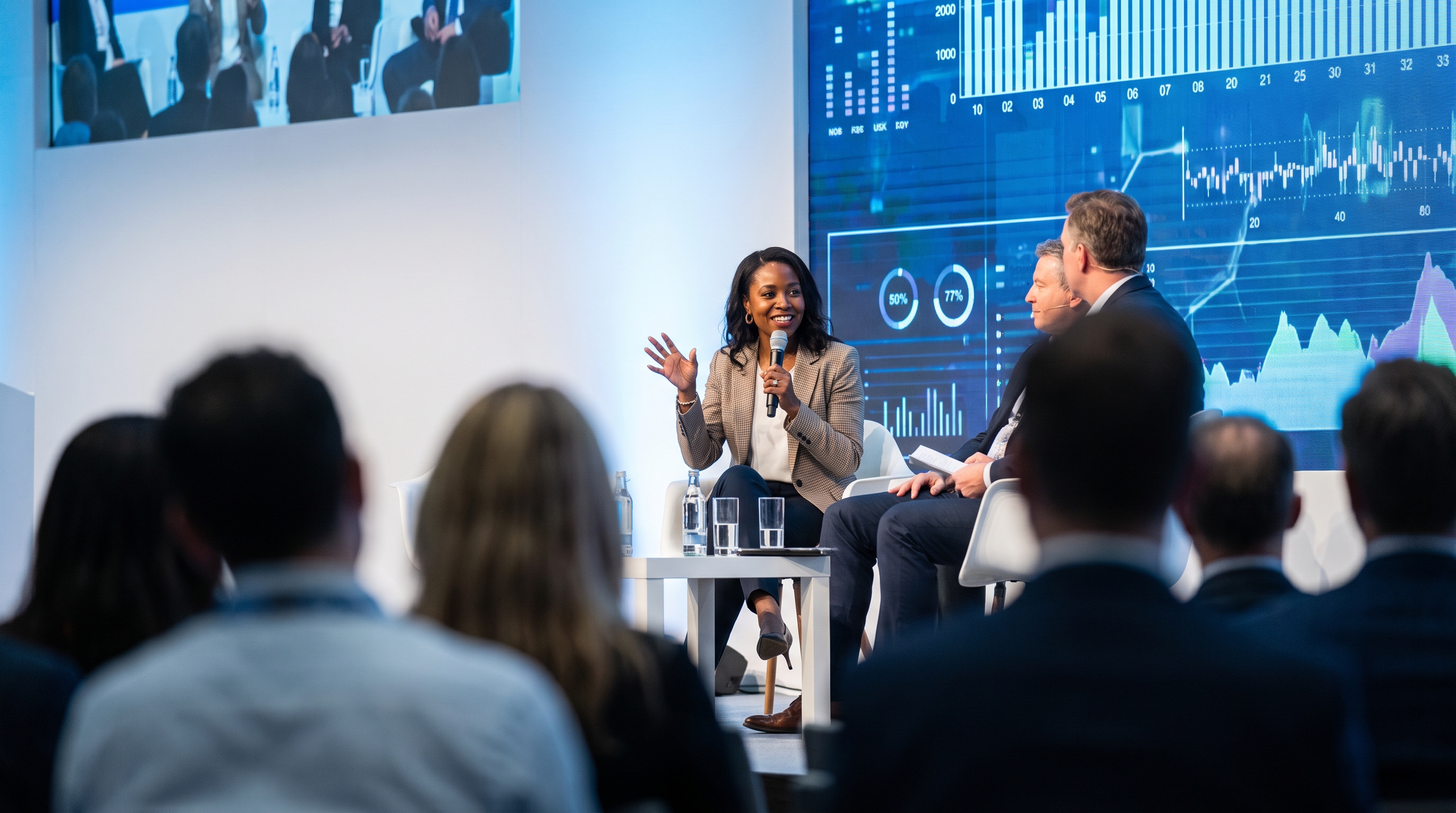
5. Proof: Let Your Work Speak
The strongest brands are backed by evidence. A strong personal brand without real results is just marketing — and in a market that’s increasingly skeptical of self-promotion, proof is what converts visibility into opportunity.
Build a portfolio of evidence:
- Case studies and project outcomes (without violating confidentiality)
- Public metrics — revenue grown, teams built, efficiencies achieved
- Recommendations and endorsements from people who’ve worked with you
- Thought leadership that demonstrates depth — not surface-level takes, but real analysis from real experience
Common Personal Branding Mistakes
The worst time to build a personal brand is when you need a job. By then, you’re starting from zero and competing against people who’ve been building for years. The best time to start is now — when you’re employed, stable, and can build from a position of strength.
Posting every day isn’t a strategy. Commenting on 50 posts isn’t a strategy. Activity without intention is just noise. Focus on the platforms and content where your target audience — recruiters, clients, peers — actually pays attention.
The goal isn’t to be known by everyone. It’s to be known by the right people for the right reasons. A personal brand that tries to be everything to everyone ends up being nothing to no one. Specificity is what makes you memorable.
If your LinkedIn says “strategic leader” but your team says “micromanager,” your brand is broken. The most effective personal brands are the ones that match the reality. If there’s a gap, fix the reality first — then build the brand around it.
How to Get Started This Week
You don’t need a 6-month plan. Start with these 5 steps:
- Audit your current digital footprint. Google yourself. Read your LinkedIn profile as if you were a recruiter. What story does it tell? What’s missing?
- Write your brand statement. One sentence: who you are, what you do, who you do it for, and what makes you different. This becomes the north star for everything else.
- Update your LinkedIn profile. Headline, about section, experience descriptions, and a professional headshot. This is your most important digital asset.
- Post one piece of real content. Not a motivational quote — an actual insight from your experience. A lesson learned, a framework you use, an observation about your industry.
- Reach out to 5 people in your network. Not to ask for anything — to reconnect. Strong brands are built on real relationships, not just content.
Everyone has a personal brand. The question is whether you’re shaping it intentionally or letting other people define it for you.
The Bottom Line
In 2026, when AI can generate resumes in seconds and algorithms decide who gets seen, your personal brand — your real, human, demonstrated expertise — is the one thing that can’t be faked, automated, or optimized by a tool. It’s the career asset that compounds over time and travels with you wherever you go.
Don’t wait for opportunities to come knocking. Build a personal brand that makes them want to find you.